

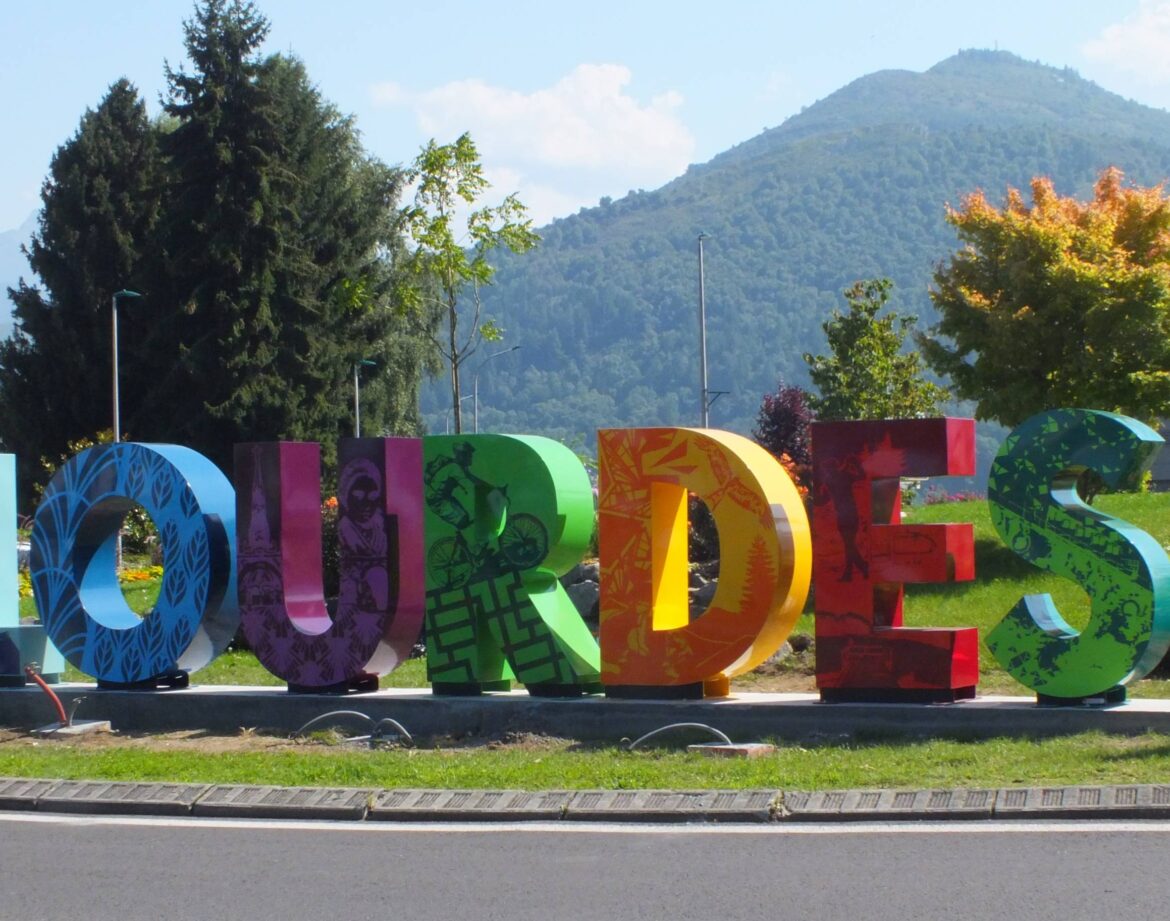
What to see in Lourdes in one day? Complete visiting guide
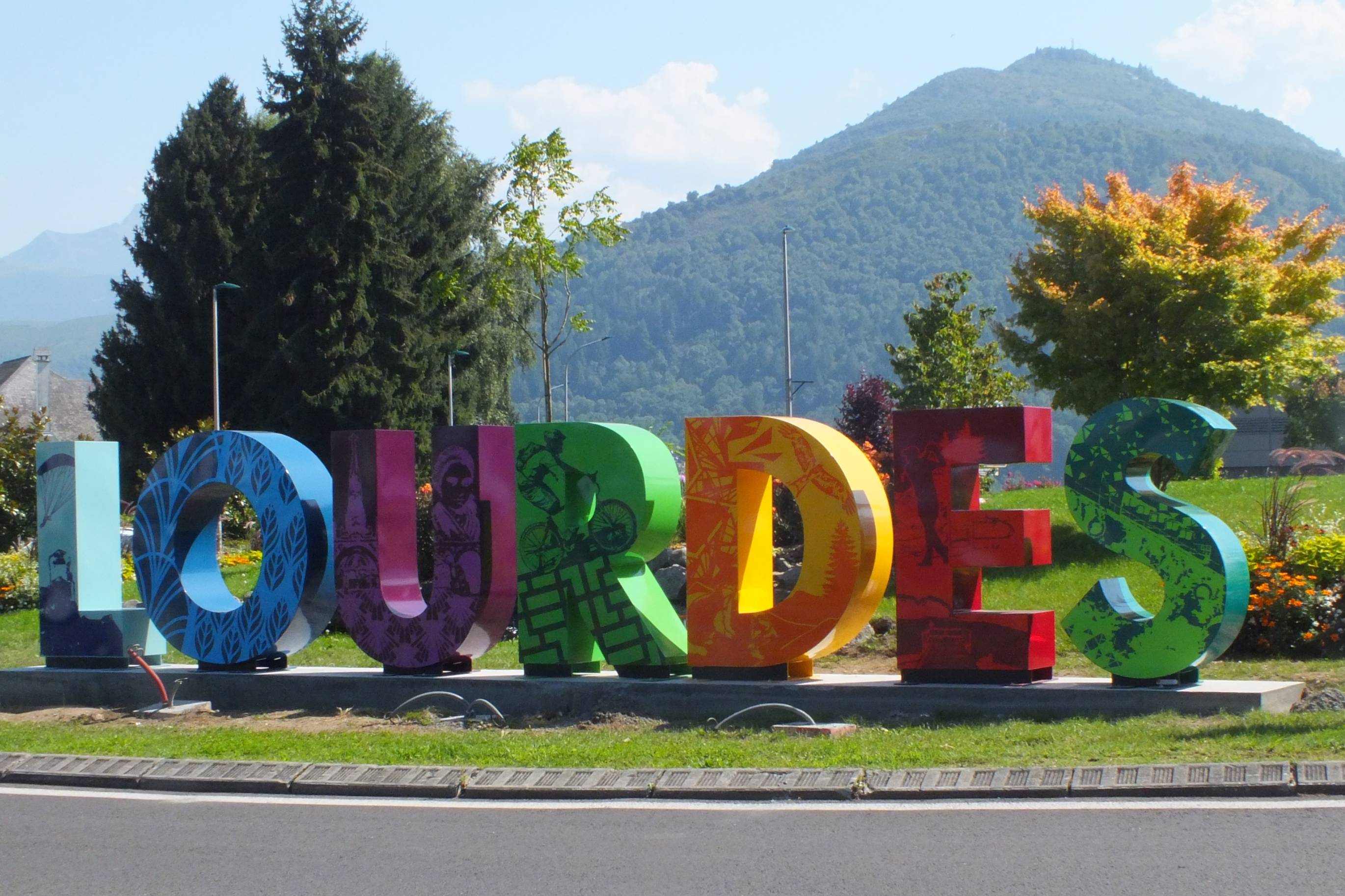 Lourdes is world-renowned for its sanctuary and the millions of pilgrims who visit each year. However, the Marian city is not limited to its religious heritage. Between history, nature, gastronomy, and exceptional views of the Pyrenees, it offers many discoveries to passing visitors.
If you have one day in Lourdes, here is a complete itinerary to enjoy the main sites and discover the multiple facets of the city.
START YOUR DAY AT THE OUR LADY OF LOURDES SANCTUARY
No visit to Lourdes would be complete without discovering the Our Lady of Lourdes Sanctuary, which is the true heart of the city. This vast complex welcomes several million visitors from around the world every year.
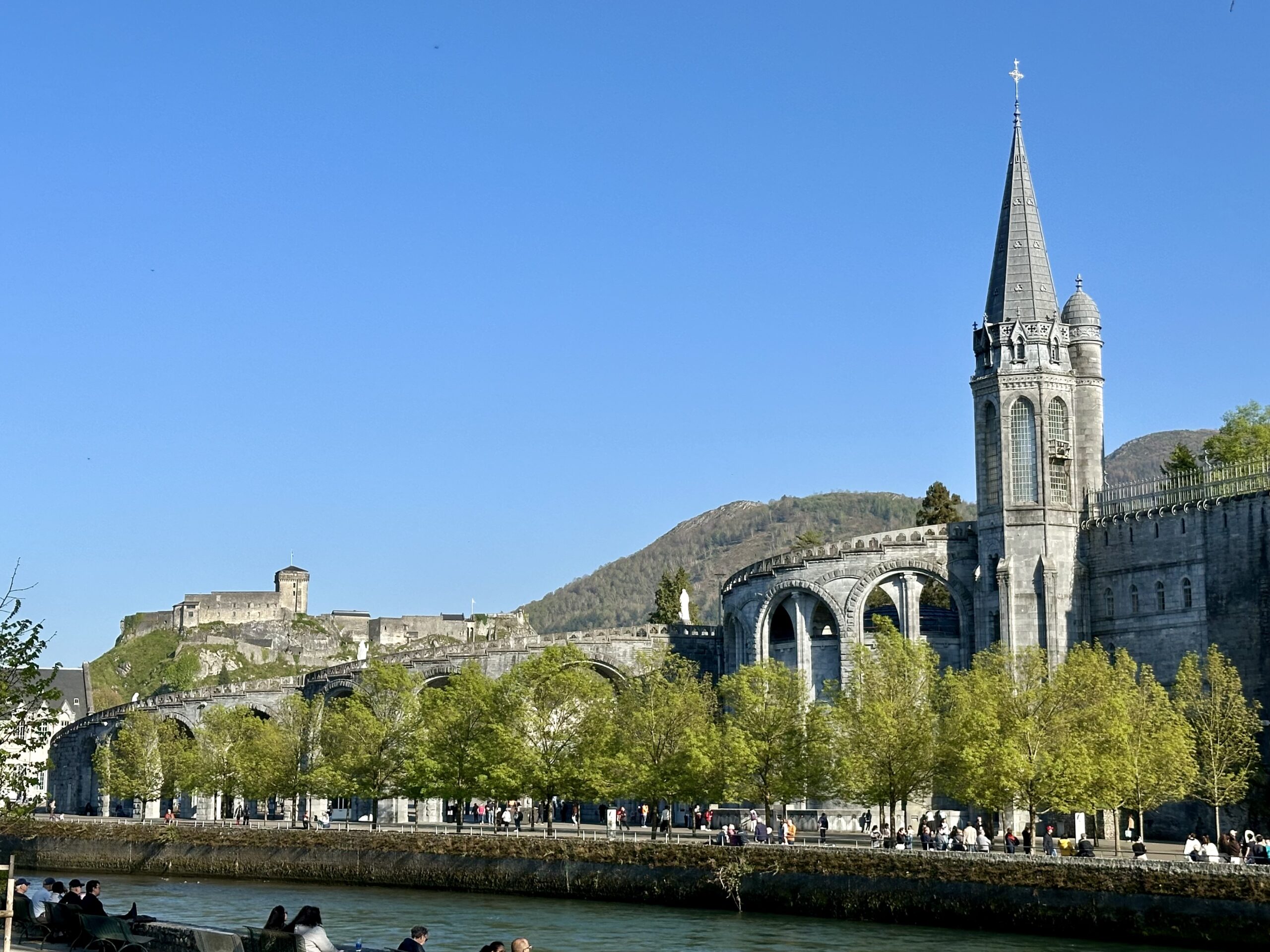 The visit generally begins at the famous Massabielle Grotto, where Bernadette Soubirous claimed to have seen the Virgin Mary eighteen times in 1858. Even today, thousands of people come here to pray in a particularly peaceful atmosphere.
As you continue your walk, you will discover the three main basilicas of the sanctuary: the Basilica of the Immaculate Conception, the Basilica of Our Lady of the Rosary, and the Basilica of Saint Pius X, an impressive underground church capable of accommodating several thousand worshipers.
Few visitors know that all the candles used at the Sanctuary are made right here in Lourdes, in a candle factory owned by the diocese, where some of the wax is recycled to make new candles.
Even for visitors who do not come from a spiritual perspective, the site enchants with its architecture, its impeccably maintained gardens, and its unique atmosphere.
DISCOVER THE PLACES CONNECTED TO BERNADETTE SOUBIROUS
After visiting the sanctuary, head towards the historical center to discover several iconic sites related to the life of Bernadette Soubirous.
The Boly Mill, where she was born in 1844, helps to understand the modest living conditions of her family. You can also visit the Cachot, a former decommissioned prison where the Soubirous family lived during the apparitions of 1858, as well as the Hospice where Bernadette received part of her education.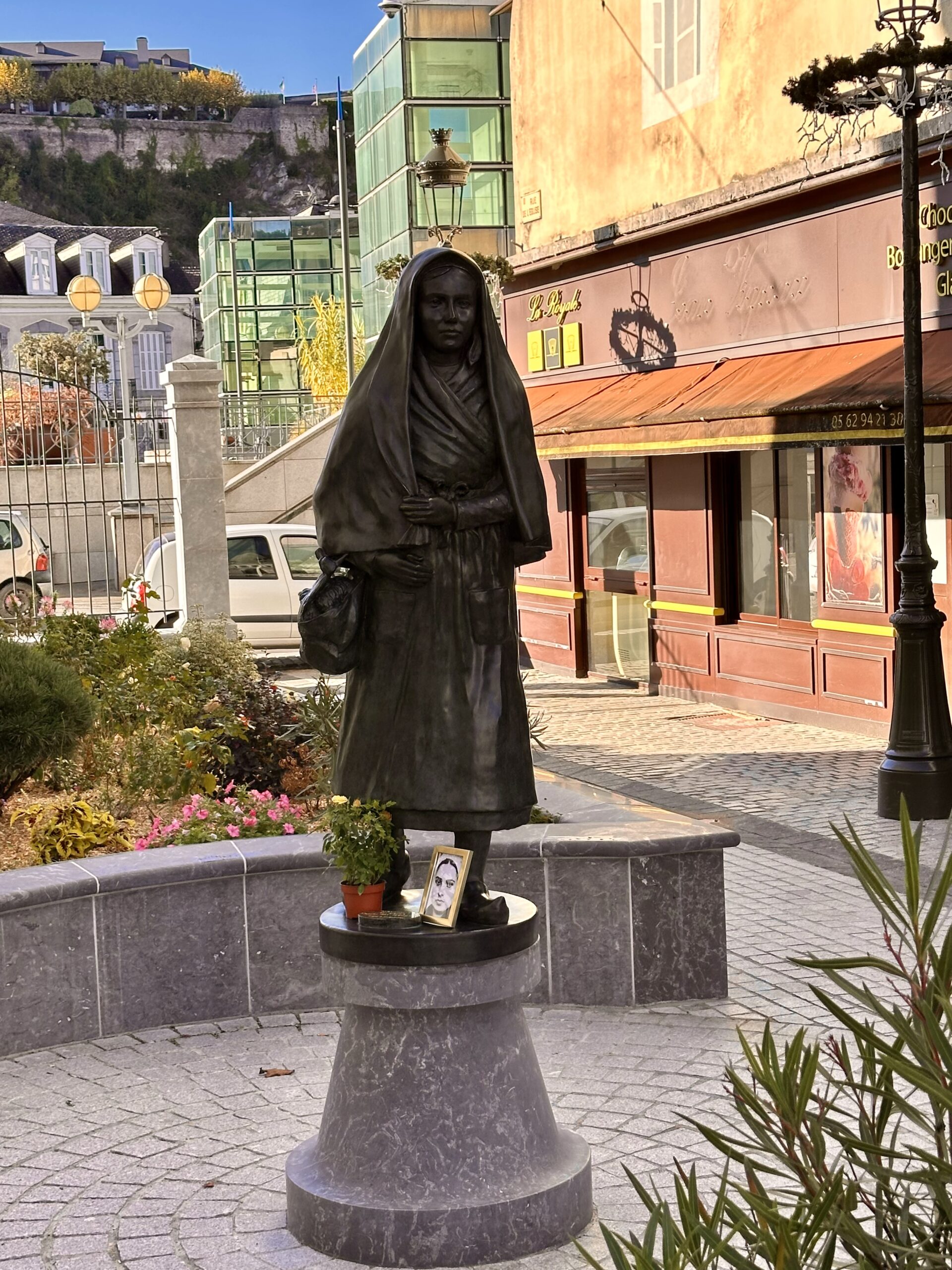 To facilitate the discovery of these various sites, the City of Lourdes has recently created the Path of Bernadette, a walking route of about 4 kilometers connecting the main locations of her life. The itinerary is marked on the ground with brass nails depicting Bernadette and supplemented by fourteen information totems.
One of the particularities of this route is its immersive dimension. At several stages, QR codes allow access from a smartphone to 360° historical videos, reconstructing significant moments in Bernadette’s life. This modern approach makes the visit particularly lively and accessible to all audiences, including families with children.
Also enjoy your walk to discover the parish church of the Sacred Heart. This is where the baptismal fonts are located where Bernadette was baptized in January 1844. Since the complete renovation of the forecourt was completed in 2025, the site has become one of the most pleasant in the city center.
The new enhancement of the square allows you to admire the statue of Bernadette, now placed in dialogue with that of Abbot Peyramale, a key figure in the history of the apparitions. The landscape arrangements, the stone fountain from Arudy, and the pedestrian areas today provide a particularly successful setting for a pause in the heart of old Lourdes.
This discovery of Bernadette’s living places allows for a better understanding of how a young girl from a modest family profoundly marked the history of Lourdes and contributed to its international fame.
STROLLING THROUGH THE STREETS OF THE CITY CENTER
The city center of Lourdes is pleasant to explore on foot. Its shopping streets are full of artisan shops and souvenirs, cafés, and small terraces where it’s nice to stop for a while.
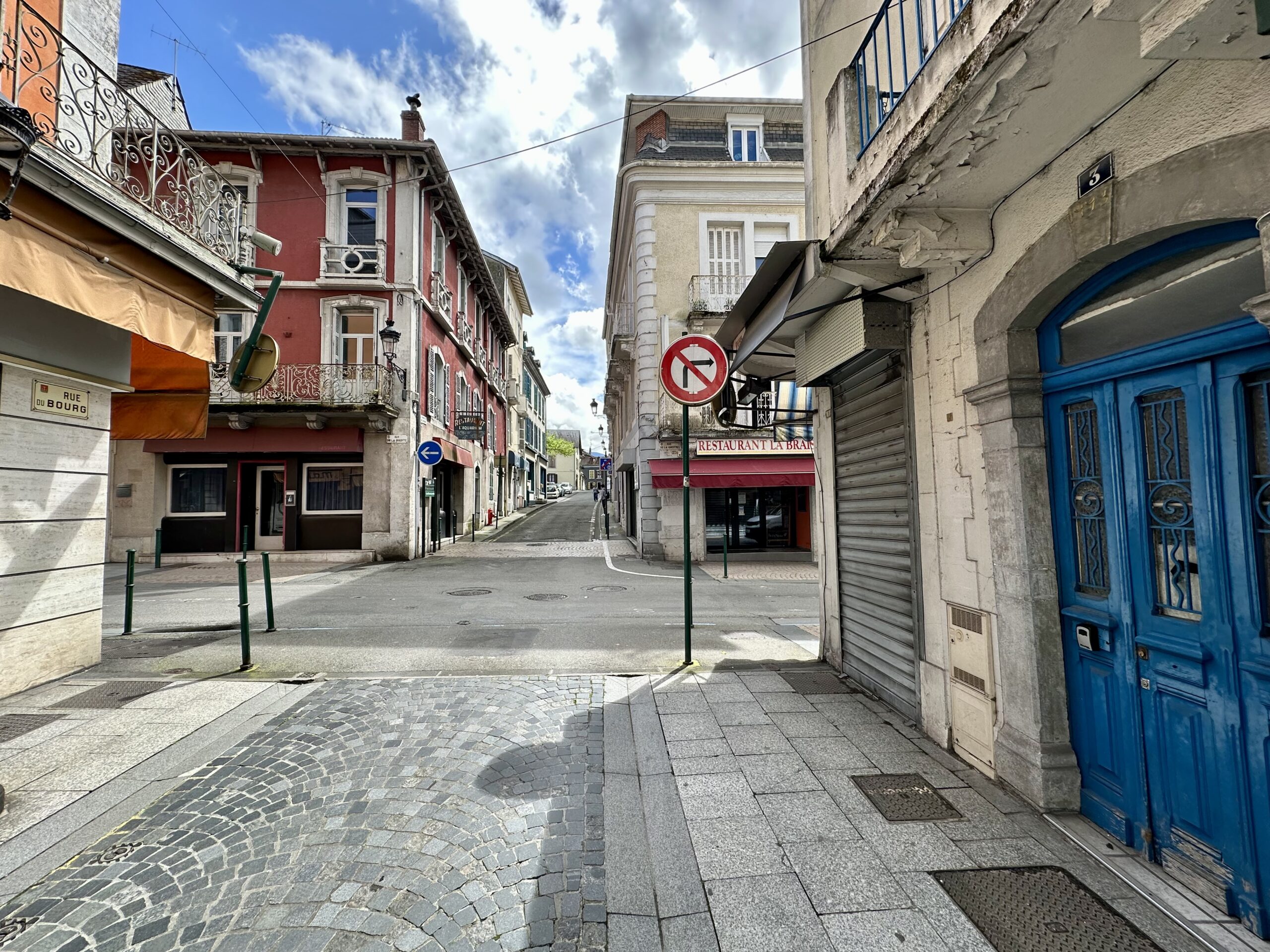 You will of course find many stores specializing in religious items, but also traditional shops, artisans, and regional specialties.
Don’t miss the chance to detour to the Cagots district, one of the most picturesque and lesser-known areas of Lourdes. Located at the bottom of the Boulevard de la Grotte, just a few steps from the sanctuary, this district retains a special atmosphere with its narrow alleys, old passages, and traditional houses.
Its name recalls the history of the Cagots, a population present in the South-West of France that was long subject to discrimination and social segregation. In Lourdes, as in many Pyrenean towns, this community lived in a distinct neighborhood from the rest of the population.
Today, a walk through this area allows for the discovery of a more discreet and authentic side of the city. Far from the hustle and bustle of the main shopping streets, the neighborhood provides a glimpse into old Lourdes and is a favored stop for lovers of local history and heritage.
The city thus retains several faces: that of a large international pilgrimage center, but also that of an ancient Pyrenean town whose certain neighborhoods have preserved their identity through the centuries.
The stroll can then continue towards the squares in the city center, the Lourdes Halles, and the numerous cafés that enliven the shopping streets throughout the year.
The city maintains a lively atmosphere throughout the year thanks to visitors from all corners of the world, which gives it a cosmopolitan character quite rare for a city of this size.
VISIT THE FORTRESS OF LOURDES
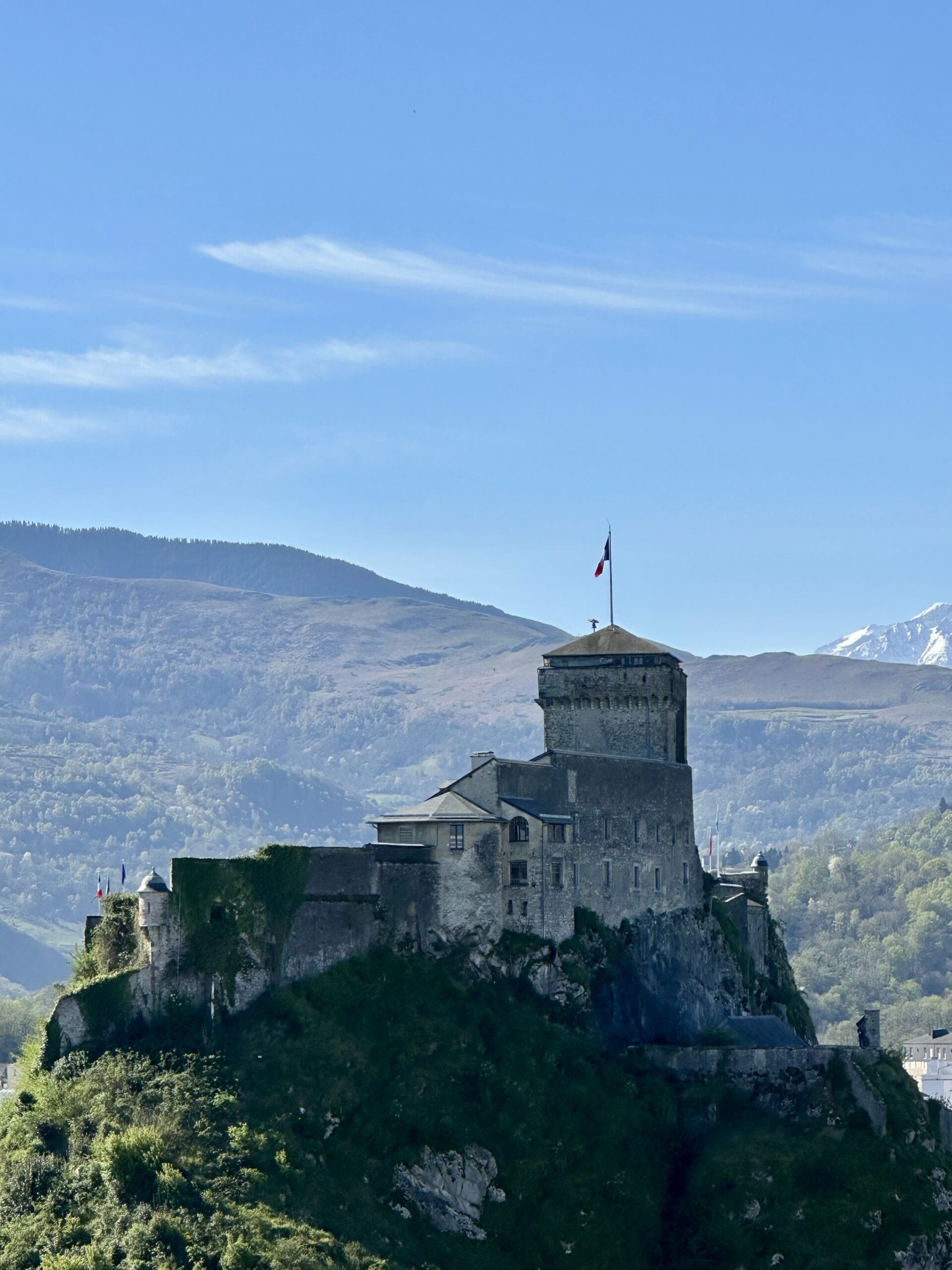 Overlooking the city from its rocky promontory, the Fortress of Lourdes is one of the most remarkable monuments in the Hautes-Pyrénées. Its imposing silhouette has accompanied the history of the city for over a thousand years and today constitutes one of the best viewpoints overlooking Lourdes and its surroundings.
Occupied since antiquity and then reinforced during the Middle Ages, the castle has long played a strategic role in controlling access to the Pyrenean valleys. It has survived the centuries without ever being destroyed, making it one of the best-preserved fortresses in the southwest of France.
The ascent to the castle is already an experience in itself. As you climb, perspectives of the city reveal themselves and help to better understand the historical placement of Lourdes between mountain and river.
Once inside the ramparts, visitors can explore the various courtyards, discover the defensive towers, and walk along the battlements offering exceptional panoramas of the Sanctuary, the city center, the Pic du Jer, and the first Pyrenean peaks. On clear days, the view extends far across the Pyrenean chain.
The castle is also home to the Pyrenean Museum, created in 1921 to preserve and showcase the heritage of the French and Spanish Pyrenean valleys. Throughout the visit, you will discover traditional costumes, agricultural tools, antique furniture, handcrafted objects, and many reconstructions illustrating daily life in the mountains over the past centuries.
Among the most appreciated spaces is the collection dedicated to pastoral traditions and mountain living. The museum thus helps to better understand the cultural identity of the Pyrenees and the close bond that unites the inhabitants to their territory.
Also take the time to observe the model of Lourdes and the various interpretation panels that trace the evolution of the city. They allow you to measure the spectacular transformation of this small Pyrenean town into one of the most visited destinations in France.
For photography enthusiasts, the castle offers some of the best vantage points of Lourdes. In the morning and late afternoon, the light particularly highlights the rooftops of the city, the basilicas of the sanctuary, and the mountainous terrain surrounding the valley.
Plan about one and a half to two hours to fully enjoy the visit. Located just a few minutes’ walk from the city center, the Fortress is a must-see for anyone wishing to discover Lourdes from a historical, cultural, and panoramic angle.
MAKE A DETOUR TO THE LOURDES MARKET
If you visit Lourdes on a market morning, take the time to stroll among the stalls before sitting down to eat. The Lourdes Halles is a must-visit place to discover local flavors and the authentic atmosphere of the city. You will find, in particular, cheeses from the Pyrenees, artisanal charcuterie, honey, jams, traditional pastries, and numerous local products.
 For a little history, the building that currently houses the Halles was not built in Lourdes. Its metallic structure comes from Toulouse, where it was built in 1865 for the Pierre market at Place Esquirol. The city of Lourdes then bought this hall, which was fully disassembled, transported, and rebuilt in its current location between 1892 and 1895. The stone pavilions that complement the whole were built with local stone.
The most food-loving can even snack on site by composing a small assortment of regional specialties before lunch. A slice of country ham from Pouts, a few pieces of cheese from the Pyrenees, or an artisanal pastry often suffice to awaken the appetite.
The market is mainly lively in the morning on weekends (closed in the afternoon). To fully enjoy the atmosphere and the choice of merchants, it is advisable to visit before noon. This gourmet stop allows discovering a more authentic side of Lourdes, at the pace of local life.
LUNCH AND TASTE LOCAL SPECIALTIES
After this morning rich in discoveries, take the time to savor the local gastronomy in one of the many restaurants in the city center.
The specialties of the Southwest hold an important place on the menus: garbure, duck confit, magret, black pork from Bigorre, or cheeses from the Pyrenees. To end the meal on a sweet note, don’t miss the famous broche cake, an emblematic specialty of the region, or the Pyrenean pie with blueberries.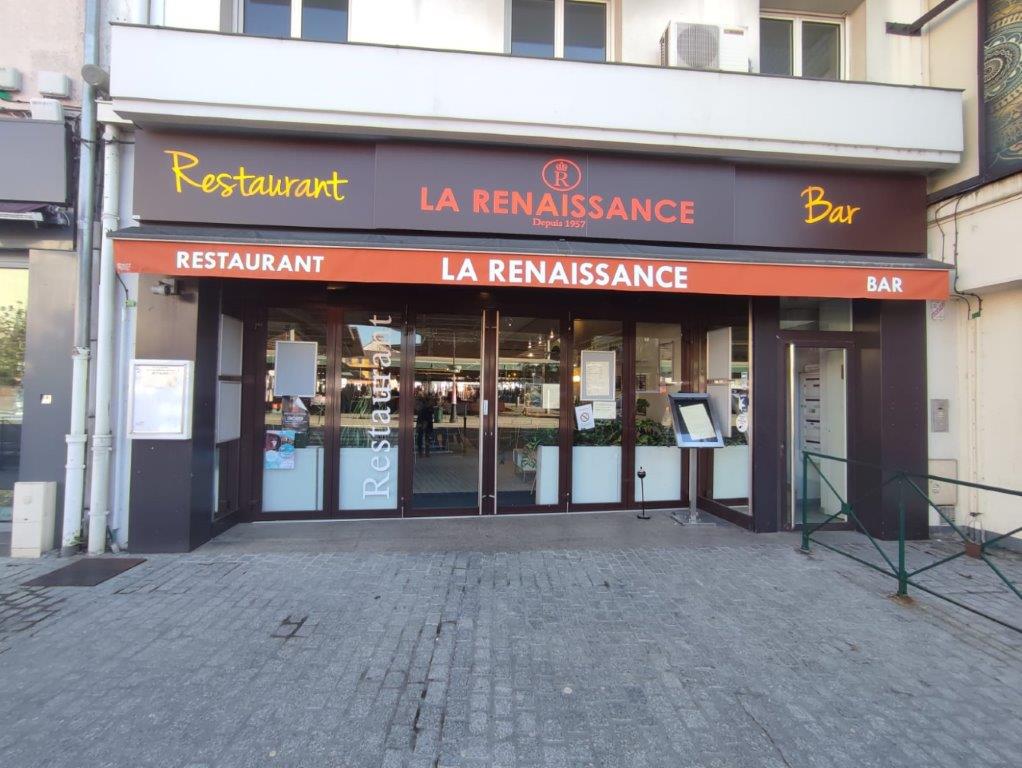 If you wish to combine gastronomy and social commitment, take a few steps from the Halles to discover La Renaissance, the inclusive restaurant of Lourdes. This establishment stands out for its original approach: more than half of its team is made up of people with disabilities. Far from being a simple social project, the restaurant has built a solid reputation thanks to a bistronomic cuisine made from fresh and local products, some of which come directly from the Halles located just across the street.
The modern setting, warm welcome, and quality of the plates make it one of the good addresses in the city center today. A great opportunity to discover another facet of Lourdes, where inclusion and culinary expertise meet around the same table.
TAKE HEIGHT AT PIC DU JER
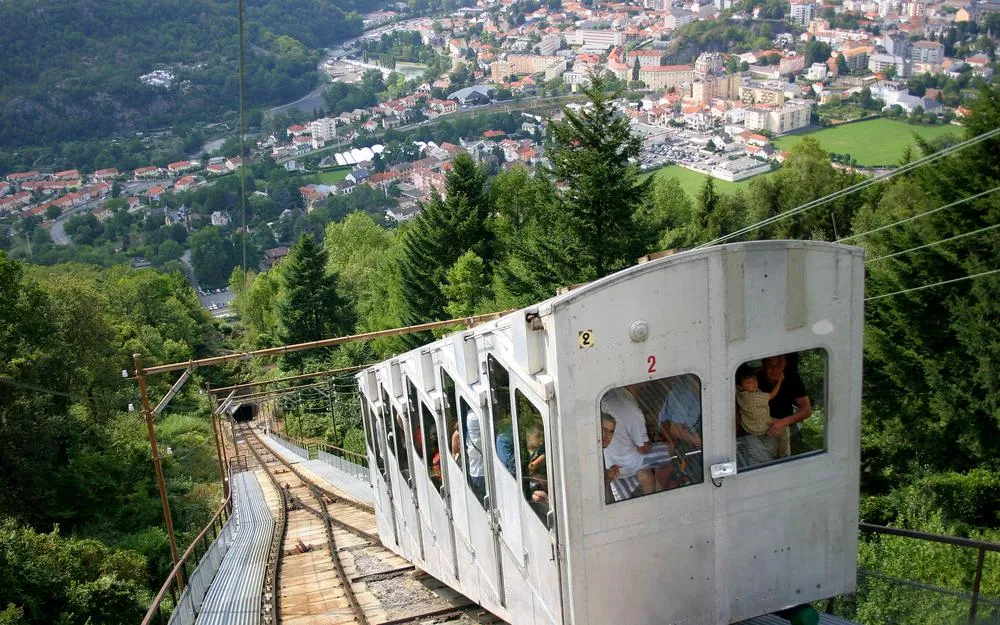 In the afternoon, head to Pic du Jer, one of the emblematic natural sites of Lourdes. Accessible via a century-old funicular service that began in 1900, this summit reaches nearly 1,000 meters in altitude and offers one of the most beautiful panoramas over the city, the Gave de Pau valley, and the Pyrenean chain.
Once at the summit, several orientation tables allow you to identify the main surrounding reliefs. On clear days, the view extends to the highest Pyrenean massifs, providing a particularly impressive spectacle.
The most athletic visitors can also reach the summit on foot. From Lourdes, the ascent follows marked paths through the forest and usually takes between 1 hour 15 and 1 hour 45 of walking, depending on the adopted pace. The hike presents a moderate level of difficulty, with an elevation gain of about 500 meters, but remains accessible to anyone in good physical condition.
Pic du Jer has also become a favored spot for mountain biking enthusiasts. Several downhill trails allow experienced mountain bikers to enjoy the natural terrain of the mountain while using the funicular to quickly return to the summit.
For families and practitioners wishing to learn or improve their technique, a pump track has been created near the lower funicular station. Accessible to bicycles, scooters, rollers, or skateboards, it constitutes a playful activity particularly appreciated by children and teenagers.
With its exceptional panorama, hiking, mountain biking, and outdoor activities, Pic du Jer perfectly illustrates the proximity between Lourdes and the Pyrenean mountains. It is a must-see for visitors wishing to discover the most natural face of the city.
ENJOY A STROLL ALONG THE GAVE DE PAU
In the late afternoon, a stroll along the Gave de Pau is an excellent way to discover another side of Lourdes, quieter and more natural.
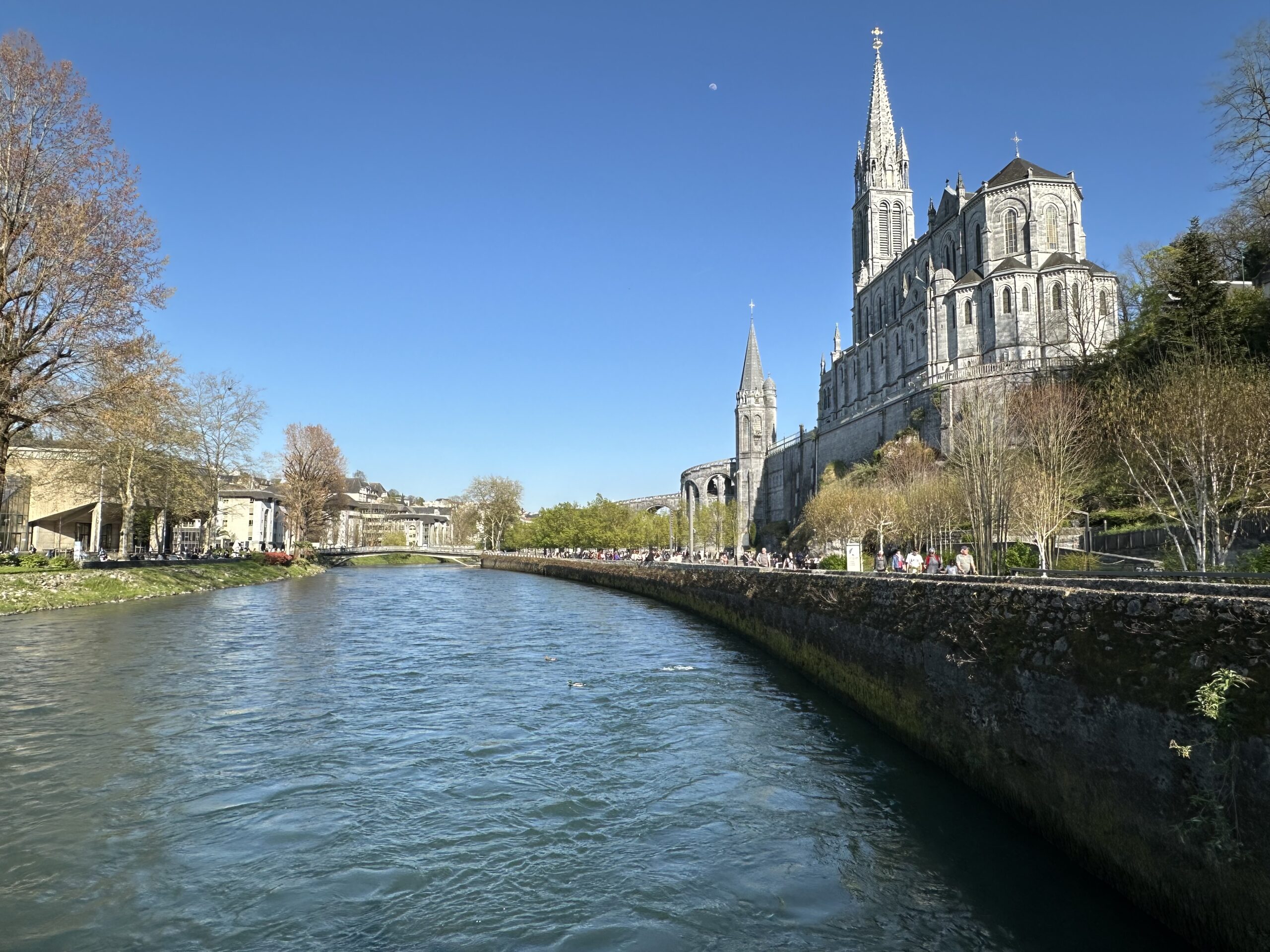 One of the best starting points is near the Sanctuary, close to the Saint-Michel Bridge. From this spot, several pedestrian paths run alongside the river and gradually allow you to distance yourself from the hustle of the city center while enjoying a green setting.
Heading upstream along the Gave to the west, the walk crosses particularly pleasant wooded areas during nice weather. The lively waters of the river, fed by the Pyrenean peaks, accompany visitors throughout the route. Numerous benches allow guests to pause and admire the surrounding landscapes.
It is also possible to cross the various bridges spanning the Gave to enjoy varied viewpoints over the river, the fortress, and the sanctuaries. In the evening, when the light diminishes over the mountains, the reflections on the water often provide very beautiful photographic opportunities.
This walk allows you to discover a more discreet Lourdes, far from the fervor of pilgrimage sites. It is also an excellent way to end a day of visiting in a soothing environment before heading back to the city center for dinner.
DINNER IN THE COSMOPOLITAN AMBIENCE OF LOURDES
After a day of visits, it is the perfect time to enjoy the unique atmosphere of Lourdes over a good meal. The city welcomes visitors from around the world and this diversity is also reflected in its restaurants.
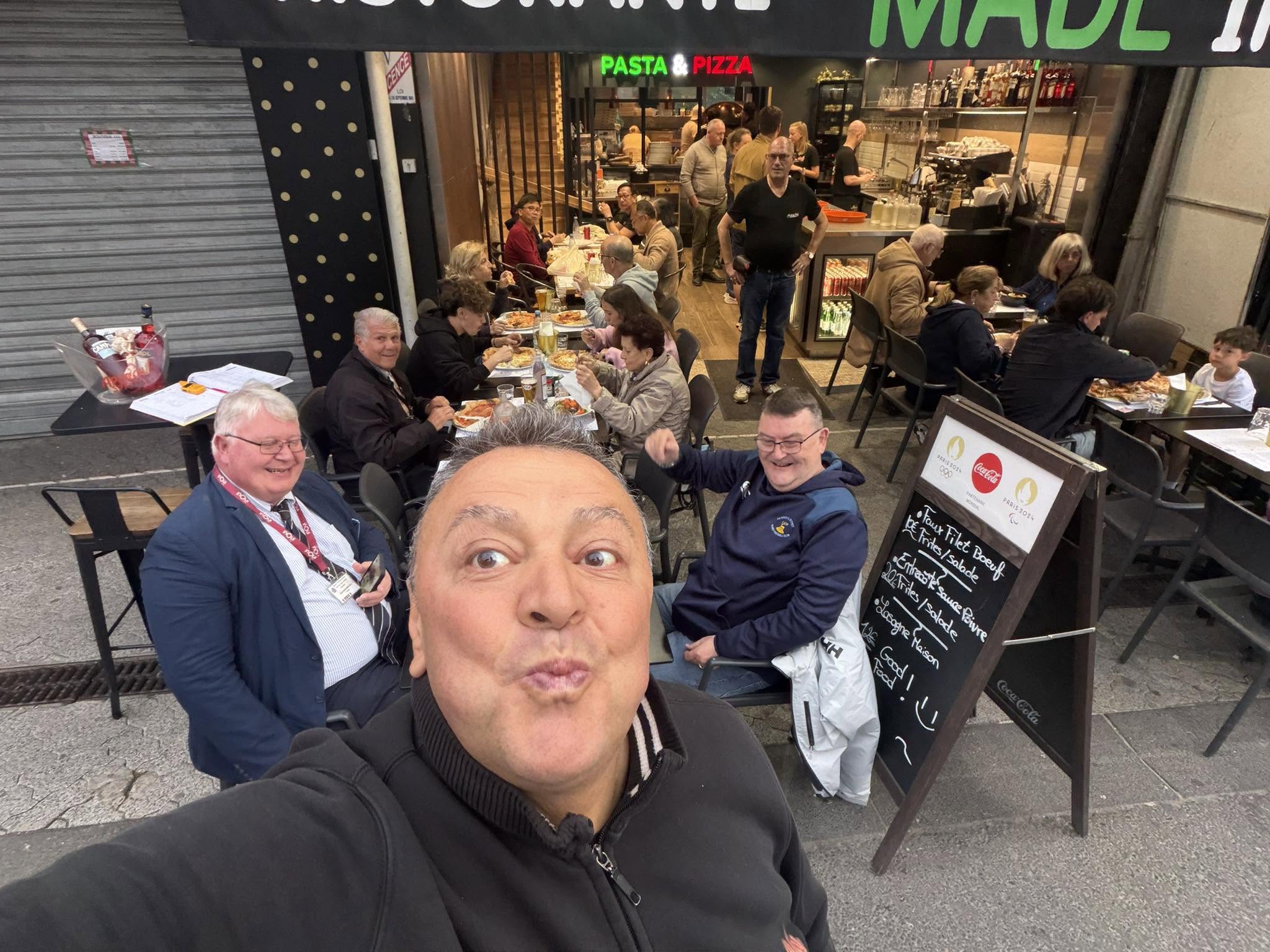 Among the most well-known addresses is Pizzeria Made in Italy. Located at the bottom of Rue de la Grotte, just a few steps from the sanctuary, this establishment has become over the years a true meeting point for many Italian pilgrims who return to Lourdes each year.
Its owner, Fabrizio Casadéi, is a well-known personality among the locals. His warm welcome, singing accent, and sense of conviviality greatly contribute to the reputation of the place. The atmosphere is often lively, conversations mix in several languages, and large tables of Italian pilgrims sometimes give the impression of being transported directly to the other side of the Alps.
On the menu, pizzas, fresh pasta (delicious Sicilian carbonara spaghetti), lasagna, homemade tiramisu, and other Italian specialties are prepared in a family spirit. Generous portions and dynamic service partly explain this address’s success with passing visitors.
However, beware: if you are looking for a dinner in absolute calm and silence, this is probably not the ideal spot. Here, people come as much for the atmosphere as for the food. Laughter, animated discussions, and general good humor are integral parts of the experience.
If you’re looking for a quieter atmosphere for your dinner, prefer the upper part of the city and the surroundings of the Halles. You will find several establishments favored by locals, away from the hustle and bustle of the sanctuary district.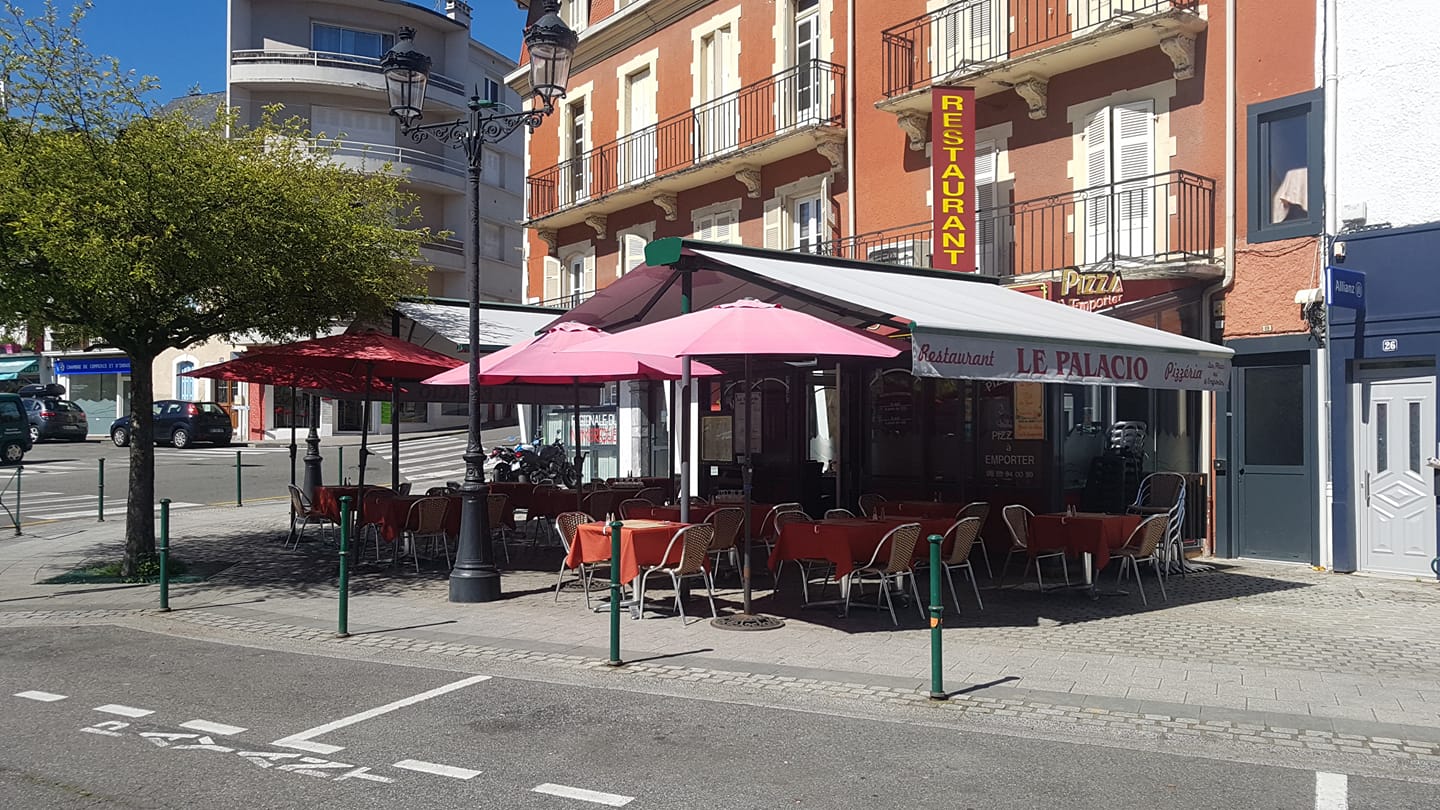 Among the reliable choices is Le Palacio, located opposite the Halles. This essential address in the city center has been offering generous farm-to-table cuisine celebrating the products of the Pyrenees for over twenty years. In a friendly but more subdued atmosphere than the restaurants in the sanctuary district, you can enjoy black pork from Bigorre, tarbais beans, or other regional specialties, as well as the chef’s pizzas and homemade pastries.
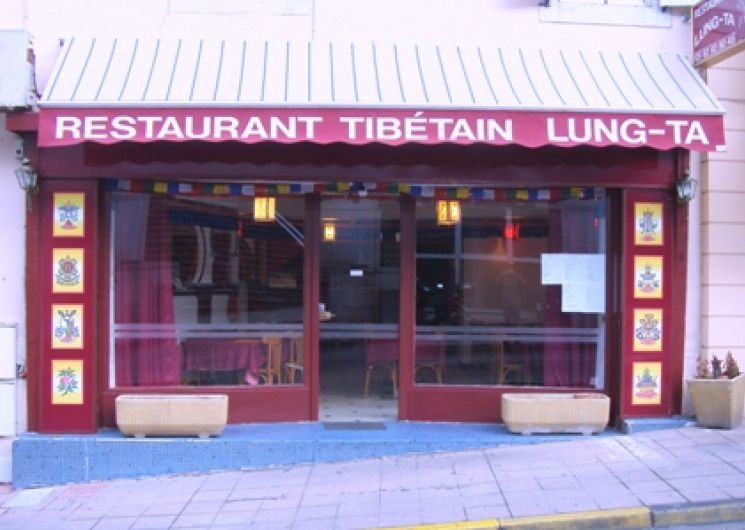 For a more exotic experience, you can also step into Tibetan Restaurant Lung Ta opposite the entrance of the Peyramale parking lot in the upper town. This original address, well-known among the locals, offers authentic Tibetan cuisine in a warm and intimate setting. Momos, curries, vegetarian dishes, and traditional recipes from the Himalayas provide an unexpected break in the heart of the Pyrenees.
These establishments perfectly illustrate a reality often overlooked: thanks to its international openness, Lourdes has an astonishingly diverse dining scene for a city of its size, where Pyrenean traditions coexist with flavors from around the world.
This culinary interlude provides an excellent transition before heading to the sanctuary to attend the candlelight procession and conclude your day in Lourdes with one of its most emblematic moments.
ATTEND THE CANDLELIGHT PROCESSION
If you are staying in Lourdes between April and October, don’t miss the famous candlelight Marian procession, organized every evening at the Sanctuary. It is one of the most emblematic moments of the day and an experience that marks many visitors, whether they are pilgrims or simple tourists.
 The procession generally begins at dusk on the Rosary esplanade. Thousands of participants come together from around the world, carrying candles protected by a paper lampshade, to walk through the sanctuary singing and praying in different languages. This international diversity is one of Lourdes’ most striking characteristics.
As the evening progresses, the lights of the thousands of candles gradually illuminate the paths of the sanctuary, creating an atmosphere that is both peaceful, solemn, and spectacular. Even visitors who do not actively participate in the celebration often appreciate the visual beauty of this unique event.
The procession typically starts around 9:00 PM during the pilgrimage season, but it is highly recommended to arrive around 8:30 PM, or even earlier during peak periods. Certain large international pilgrimages, major religious holidays, or summer vacations may attract several tens of thousands of participants. Arriving early allows you to find a good spot in the esplanade and fully enjoy the ambiance leading up to the departure.
Participants may purchase a candle at the sales points in the sanctuary before the ceremony begins. For others, many areas allow simply observing the procession in good conditions.
If your stay permits, plan to end your day discovering Lourdes with this ceremony. Seeing the sanctuary illuminated at nightfall often constitutes one of the most memorable memories of a visit to the Marian city.
Can one visit Lourdes in a single day?
Yes. One day allows for discovering the main sights of Lourdes, including the Sanctuary, the Fortress, the historic center, and a few remarkable viewpoints. However, a longer stay allows for more enjoyment of the city and the surrounding Pyrenees.
How long should be planned for visiting the Sanctuary?
A visit to the Sanctuary can last from two to four hours depending on your interest in the different prayer places, basilicas, and celebrations.
Is Lourdes easy to visit on foot?
Yes, most of the main tourist sites in Lourdes can be discovered on foot. The Sanctuary, shopping streets, the Fortress, and many points of interest are located within a reasonable distance from one another.
However, it should be noted that Lourdes has a fairly marked relief. The low city, where the Sanctuary and most hotels are located, is connected to the historical center and the upper town by several sloping streets, sometimes steep. People with walking difficulties or in climbing hills should take this into account when planning their visit.
Fortunately, several urban bus lines allow accessing the main districts of the city and limiting the most tiring journeys.
The elevation difference between the Sanctuary and some neighborhoods of the upper town often surprises visitors who discover Lourdes for the first time. This particular configuration is explained by the historical presence of the Fortress, built on its rocky spur to monitor access to the Pyrenean valleys.
What is the best time to visit Lourdes?
Spring and early autumn usually offer the most pleasant conditions. Summer is very lively but can be particularly hot, especially on the Rosary esplanade.
Where to park in Lourdes for a day?
Several parking lots and parking areas are available in Lourdes. The spots located immediately near the Sanctuary generally belong to the tourist zone, where parking is chargeable every day. Rates can quickly become high for a full-day visit: for example, count about €15 for 9 hours of parking and up to €19 for a day in some tourist sectors.
For a day’s visit, it is often more advantageous to park for free in the upper town and then reach the city center and the Sanctuary on foot. Visitors often use the Capdevielle, Place des Pyrénées, Hélios, Lapacca parking lots, as well as spots available on Rue des Rochers.
This solution not only reduces parking costs but also allows discovering the historic center of Lourdes before heading to the Sanctuary.
However, it is essential to consider the city’s relief. Between the upper town and the lower town where the Sanctuary is located, some streets present a marked elevation that can be tiring for those with walking difficulties.
ONE DAY TO DISCOVER, SEVERAL DAYS TO FALL UNDER THE CHARM OF LOURDES
In one day, it is entirely possible to discover the main must-sees of Lourdes: the Our Lady of Lourdes Sanctuary, the living places of Bernadette Soubirous, the Fortress, the Pic du Jer, or the banks of the Gave de Pau.
But those who take the time to extend their stay quickly discover that Lourdes is not just a simple list of monuments or tourist sites. The unique atmosphere of the city, encounters with visitors from around the world, evening processions, history-laden alleys, and the immediate proximity of the Pyrenees often deserve several days of exploration.
Lourdes also serves as an ideal base for exploring the Hautes-Pyrénées. In less than an hour’s drive, you can reach the Cirque de Gavarnie, the Pont d’Espagne, Lake Gaube, Pic du Midi, or numerous mountain villages with authentic charm.
To fully enjoy your stay in Lourdes and explore the region at your own pace, discover our apartments ideally located near the city center and the Sanctuary. Comfortable, fully equipped, and suitable for pilgrims, families, and travelers, they constitute an excellent starting point for exploring Lourdes and the most beautiful sites of the Pyrenees.
👉 Discover our apartments in Lourdes
Lourdes has this rare ability to leave a lasting memory for those who take the time to linger. Many visitors who came for just a day leave with a desire to return to discover more of this unique city in the heart of the Pyrenees.


